
R&D & Quality
From Formulation Brief to Validated Batch — in 4–6 Weeks
Your new premix is developed, stability-tested, and shipped with a regulatory dossier ready for FSSAI (Human Nutrition), BIS/AAFCO/FEDIAF (Animal Nutrition), EU, ASEAN, and UN agency submissions.
A Global Nutrition Company, Manufactured in India
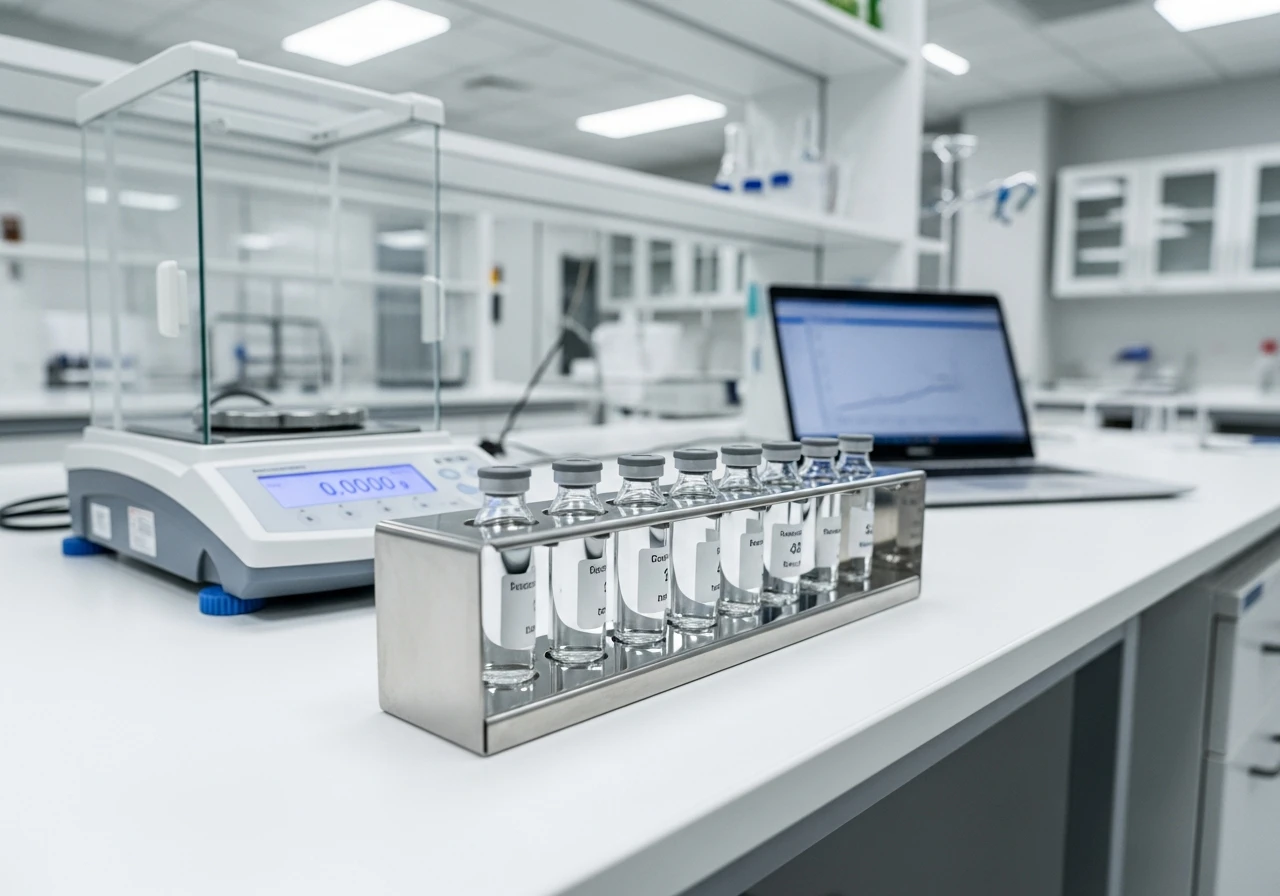
Our R&D Laboratory
Your New Product Ready for Market — with the Data to Prove It
Our in-house R&D laboratory turns your formulation brief into a commercial-ready premix — prototype batch, stability data, and a full regulatory documentation pack included. No third-party development lab to coordinate, no separate CoA supplier to chase. If a premix leaves this facility, it has been tested, validated, and documented at every stage, ready for your submission or your auditor.
Development Process
Concept to Commercial Batch: Our 7-Stage R&D Lifecycle
Click any stage to see what happens, what tools we use, and what you receive as output.
Stage 1 of 7
Concept
A client brief lands — covering target nutrients, intended food vehicle or dosage form, target population, regulatory market, and shelf-life requirements. Our R&D team assesses technical and regulatory feasibility before committing to a formulation path.
What You Receive
- Formulation scope document
- Regulatory market alignment check
- Preliminary ingredient selection
R&D Capabilities
What Our R&D Lab Means for Your Product Launch
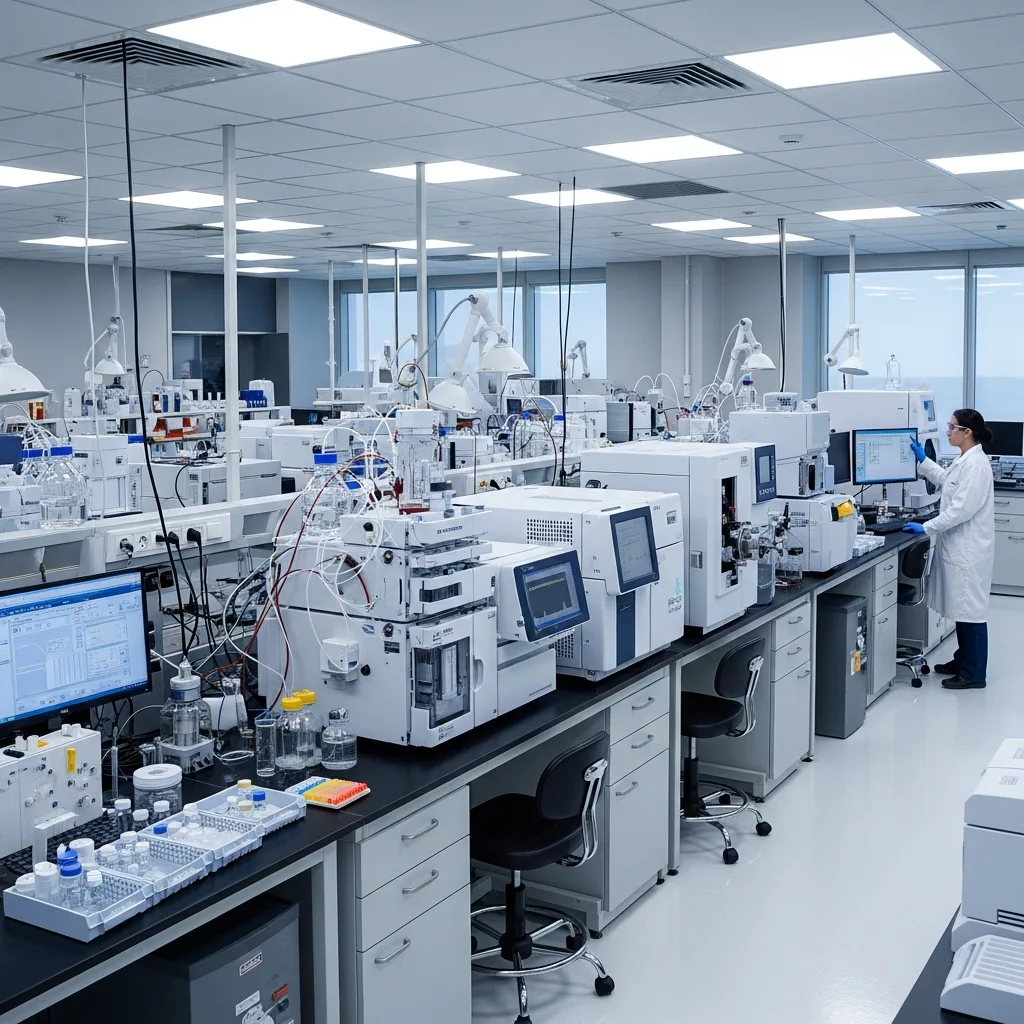
Test Results Your Regulatory Team Can Submit
Vitamin potency by HPLC, heavy metal screening by ICP-MS, microbiological enumeration (TVC, yeast & mould, pathogens), moisture, particle size, and flow-rate characterisation. Every result is tied to a traceable batch record — ready for FSSAI (Human Nutrition), BIS/AAFCO/FEDIAF (Animal Nutrition), EU, ASEAN, or UN agency submissions.
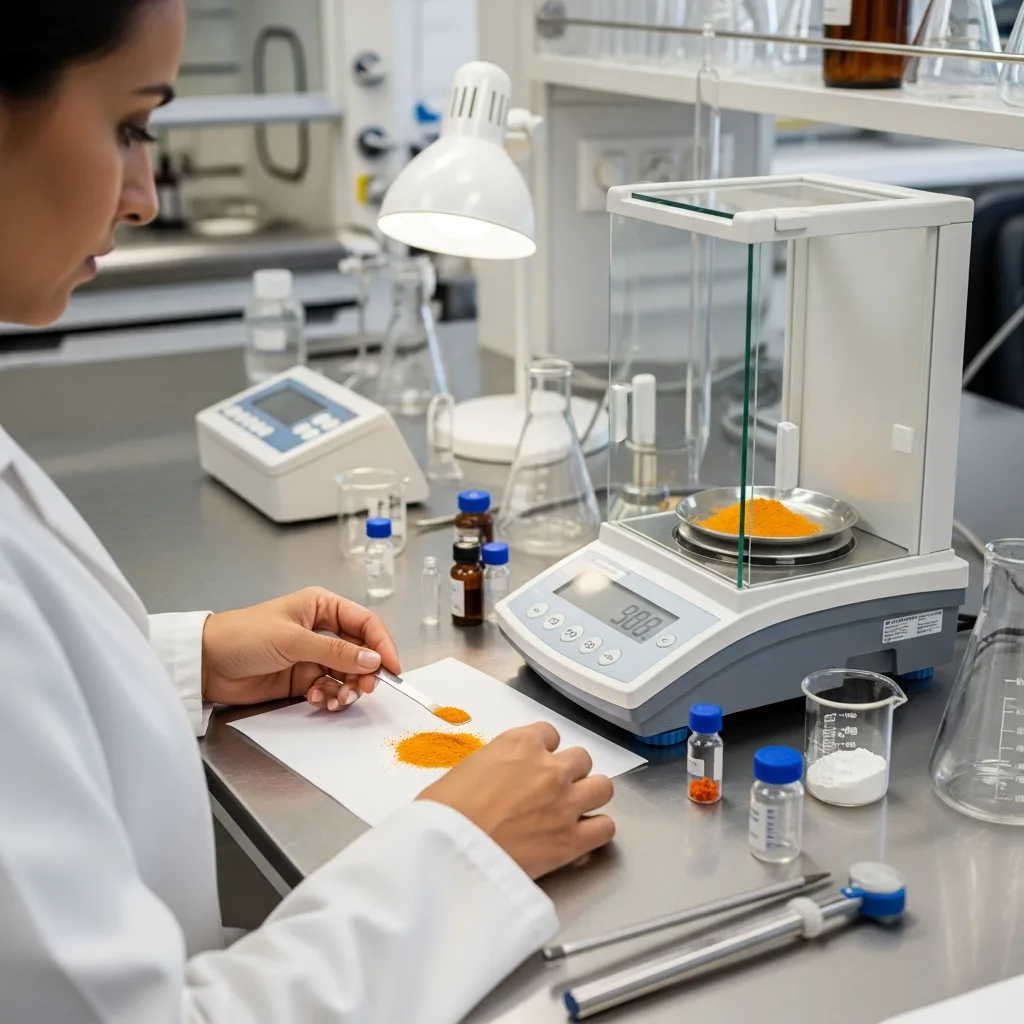
Custom Formulas Built Around Your Market
Your formulation brief becomes a prototype batch in weeks — with full compatibility and interaction screening included, whether the target is a human food/nutraceutical vehicle or an animal feed ration. See the Human R&D and Animal R&D capability breakdown below for how nutrient stacking is calibrated for each.
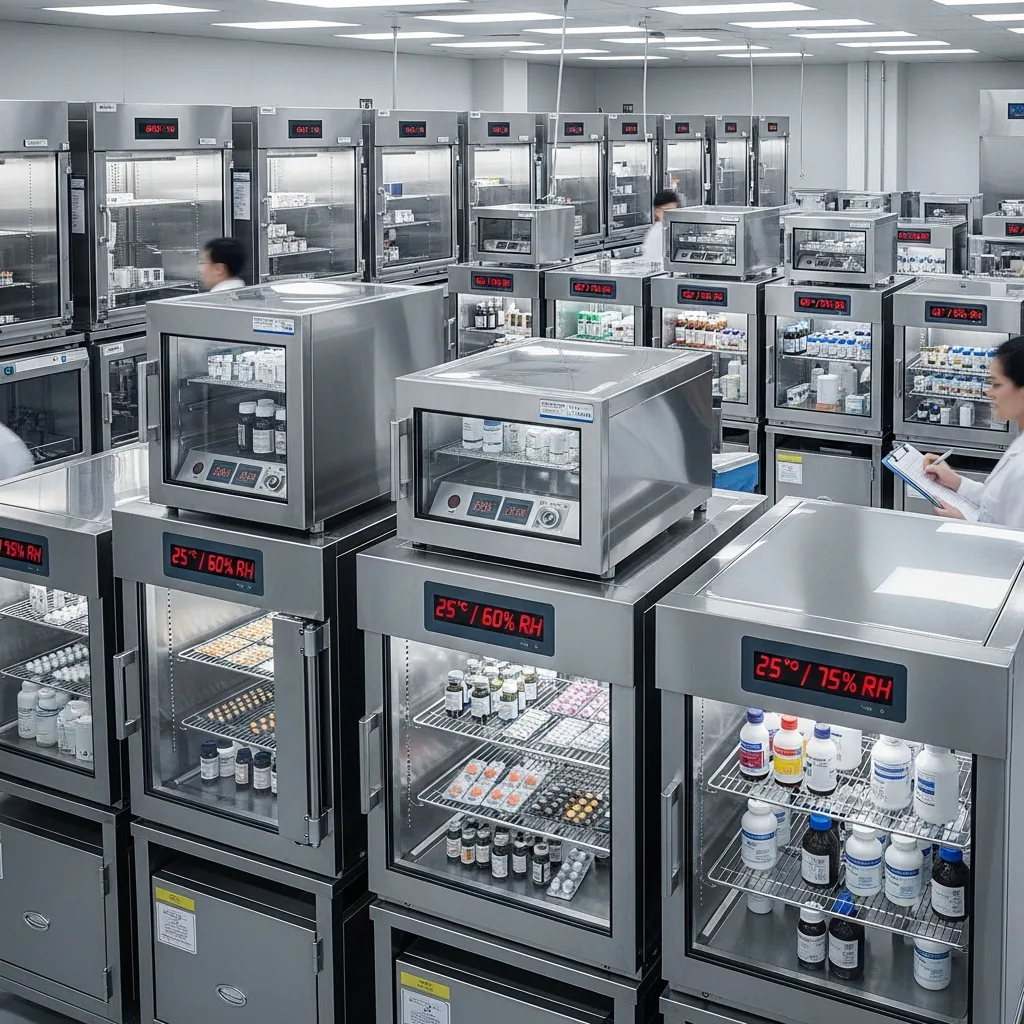
Shelf-Life Claims You Can Print on the Label
Accelerated (40 °C / 75% RH) and real-time ICH-aligned stability studies, with pull-point testing at 0, 1, 3, 6, 9, and 12 months. Re-test and expiry dates are assigned from actual degradation curves — not estimated. The full data package supports your regulatory submission and label claim.
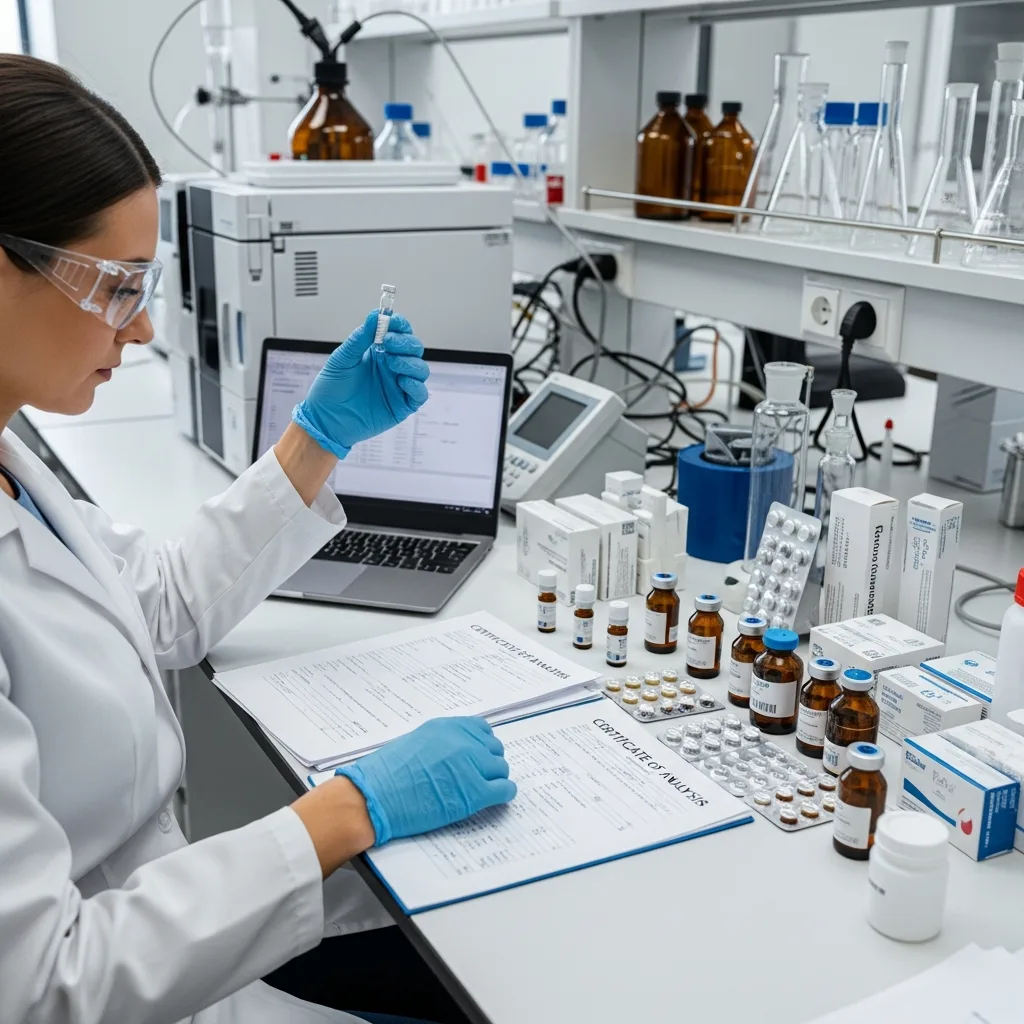
A CoA on Every Batch, Issued by an Accredited Lab
HPLC homogeneity verified across 10-point sampling, with heavy metal and microbiological safety screening on every lot. The Certificate of Analysis is issued by a NABL-accredited third-party laboratory — not an in-house document — so it carries weight with your customers and their auditors.

Technical Guidance at Every Stage of Your Production
Dosage and process integration advice for feed mills, FMCG fortification lines, and clinical manufacturers — before your first run and whenever you need it after. On-site start-up support and a complete regulatory documentation handover are included as standard, not an add-on.
R&D by Division
Formulation Science, Calibrated to Each Division
Our analytical and stability infrastructure is shared across the facility — the formulation science that runs on it is not. Each division's nutrient targets, reference standards, and regulatory pathway are distinct.
Human Nutrition R&D
Nutrient formulation stacked against FSSAI, Codex, and WHO reference intakes for food, clinical, and nutraceutical applications — validated for age-group and life-stage specific human requirements.
- Regulatory dossiers built for FSSAI, EU Food Supplement, and ASEAN submissions
- Clinical/FSMP formulation support aligned to ESPEN guidelines
- WHO/UNICEF pre-qualification documentation for fortification & therapeutic foods
Animal Nutrition R&D
Species-specific nutrient stacking for animal feed formulations — calibrated to species, production stage, and target performance outcomes across our animal nutrition portfolio.
- Species- and age-group-specific premix formulation and dosage design
- Feed-safety and interaction screening for feed mill integration
- Technical guidance for feed mills on dosage and process integration
Both divisions share the same in-house analytical laboratory, ICH-aligned stability chambers, and NABL-accredited third-party CoA process — only the formulation targets and regulatory pathway differ.
Certifications & Standards
The Certifications That Unlock Markets for Your Product
Food Safety and Standards Authority of India
Licensed under the FSS Act 2006; license number printed on every CoA and product label. Mandatory for supply into the Indian food and nutrition market — renewed annually.
Schedule M / WHO-GMP
Pharmaceutical-grade Good Manufacturing Practice, audited by the state drug authority. Required for clinical nutrition, therapeutic foods, and nutraceutical-grade premixes accepted by institutional buyers.
Accredited Certification Body (IAF-recognised), aligned to ISO 9001:2015
Organisation-wide quality management system spanning procurement, production, and customer service. Audited on a 3-year cycle with annual surveillance — the baseline credential procurement teams verify before onboarding any supplier.
Certified by an accredited third-party CB, aligned to ISO 22000:2018
Food Safety Management System covering the full hazard analysis chain from raw material to dispatch. Surveillance audits conducted annually; re-certification every three years.
FSSC Foundation scheme (ISO 22000 + ISO/TS 22002), recognised by GFSI
Highest-tier GFSI-recognised food safety certification — the preferred supplier qualification standard for multinational F&B manufacturers and global retail chains.
Codex Alimentarius-aligned
Documented critical control points across every product line and process step; hazard analysis reviewed with every recipe or process change, with corrective action records maintained on-site.
Recognised Islamic certifying body (JAKIM-equivalent standard)
Covers ingredients, processing aids, and facility segregation. Renewed annually — enables direct supply to Middle East and Southeast Asia markets where Halal compliance is a mandatory import requirement.
Authorised Kosher supervising agency
Facility and product supervision renewed annually. Opens North American and European retail and institutional channels where Kosher certification is used as a proxy for product integrity.
WHO / FAO reference standards
Micronutrient levels and analytical methods aligned with WHO/FAO technical guidance. Required for UN agency procurement and government-run supplementation programmes.
*WHO references indicate formulation as per their recommended guidelines.
Frequently Asked Questions
R&D & quality questions
Vitamin potency is measured by HPLC (High Performance Liquid Chromatography) — the gold-standard method for quantitative vitamin analysis in complex matrices. Fat-soluble vitamins (A, D, E, K) and water-soluble B vitamins are each analysed using validated HPLC methods aligned to AOAC, USP, and in-house validated SOPs. Results are traceable to NABL-accredited reference standards. We do not rely on spectrophotometric screening as a sole potency method for vitamins where HPLC delivers greater specificity.
Accelerated stability studies run at 40°C / 75% RH (ICH Zone IVb conditions, aligned to Indian and tropical market requirements) with pull-point testing at 0, 1, 3, 6, 9, and 12 months. A 12-month accelerated study is typically completed within 12 months (run in parallel with commercial supply). Real-time studies run concurrently to build the full shelf-life dataset. You receive a stability summary report covering vitamin degradation curves, re-test date assignments, and label claim confirmations at each pull point.
Every commercial batch CoA covers: vitamin potency (HPLC), mineral content (ICP-MS or ICP-OES), heavy metal screening (arsenic, lead, cadmium, mercury) against applicable food safety limits, microbiological safety (total viable count, yeast & mould, Salmonella, E. coli), and physical parameters (moisture, particle size, bulk density). The CoA is issued by a NABL-accredited third-party laboratory and carries the laboratory's accreditation number — not an in-house document.
Yes. We prepare a full regulatory documentation package with every new formulation — including the formulation specification sheet, ingredient permissibility declarations, CoA data, stability study summary, and label claim substantiation. This package is designed to support FSSAI product registration, EU Novel Food and Food Supplement submissions, ASEAN food regulatory filings, and WHO/UNICEF procurement pre-qualification. We have experience preparing documentation for both Indian domestic registration and export regulatory filings.
We welcome client quality audits and pre-qualification visits. A standard audit agenda covers: facility tour (Human Nutrition and Animal Nutrition zones, analytical laboratory, stability chambers, raw material store), document review (batch manufacturing records, cleaning validation logs, out-of-specification investigation reports, calibration records), and a Q&A session with our Quality Manager. We provide a pre-audit documentation pack to qualified buyers on request — so your team can review our quality system before the visit.
Yes. New product development begins with a formulation brief from you — covering target nutrients, food vehicle or dosage form, regulatory market, desired shelf life, and any processing constraints. Our R&D team translates that brief into an initial formulation design, selects appropriate ingredient forms, runs a prototype batch, and delivers a validated specification sheet and CoA data within 4–6 weeks of receiving the completed brief. We iterate with you on the prototype until the formulation meets your requirements before scaling to commercial production.
Ready to work with a nutrition manufacturer that delivers on every batch?
Whether you need a quote for your next production run or want to explore the right formulation for your application, our team is ready to help.